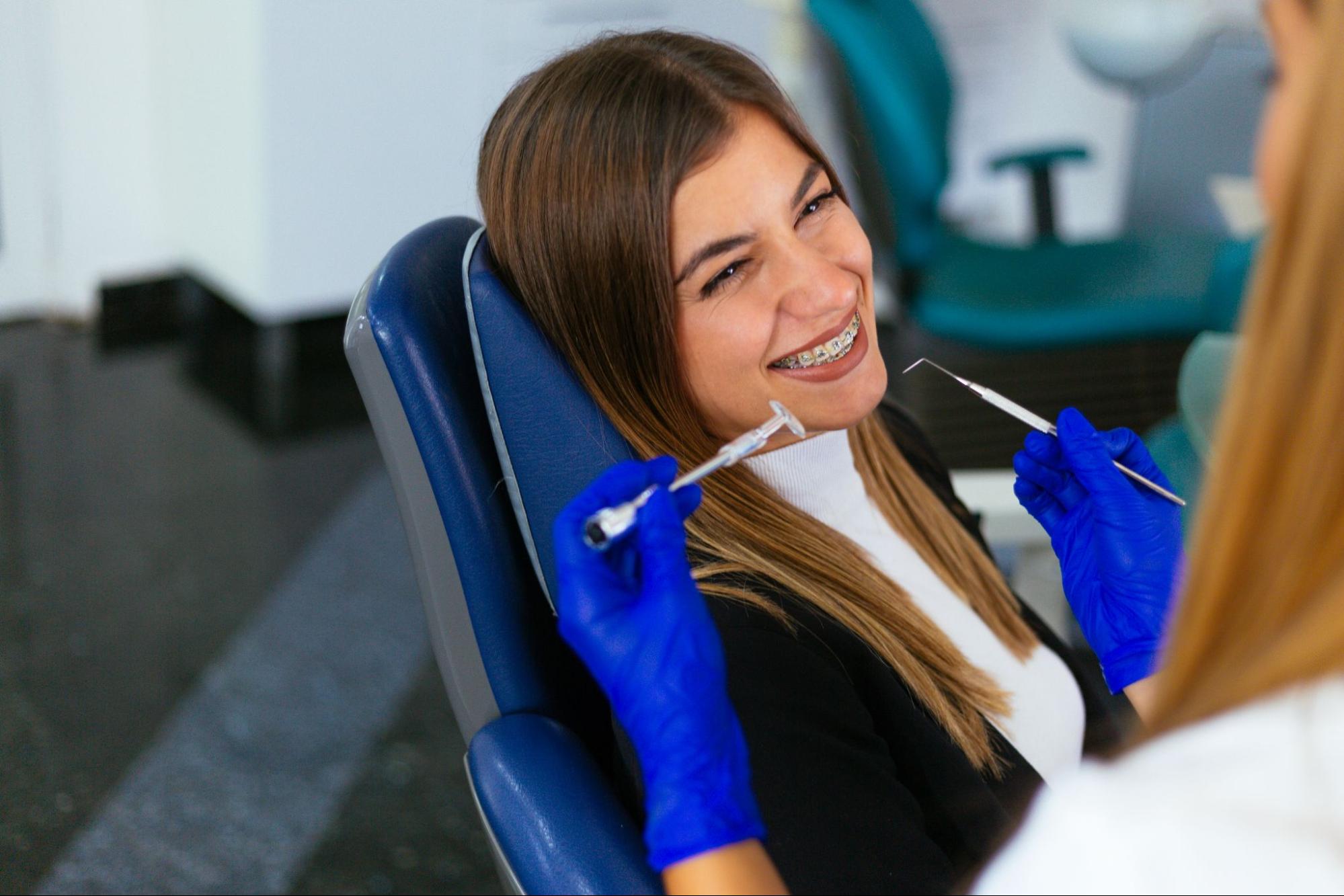
Adult orthodontics has never been more popular. A growing share of orthodontic patients are now over 18, and that number keeps climbing. Roughly one in four orthodontic patients today is an adult, according to figures shared by the American Association of Orthodontists. If something has bothered you for years, or your teeth have shifted over time, you’ve got options.
The main treatment options available to adults include metal braces, clear braces, lingual braces that hide behind your teeth, and clear aligners for adults like Invisalign. Each has its strengths. But here’s the truth: there’s no single best type of braces for adults that fits everyone.
The right choice depends on your lifestyle, your budget, and how complex your case is. Someone who presents in front of clients daily might prioritize invisibility. Another person might care more about cost or treatment speed. That’s why a free consult with our orthodontists matters. It’s the only way to know which option fits your unique smile.
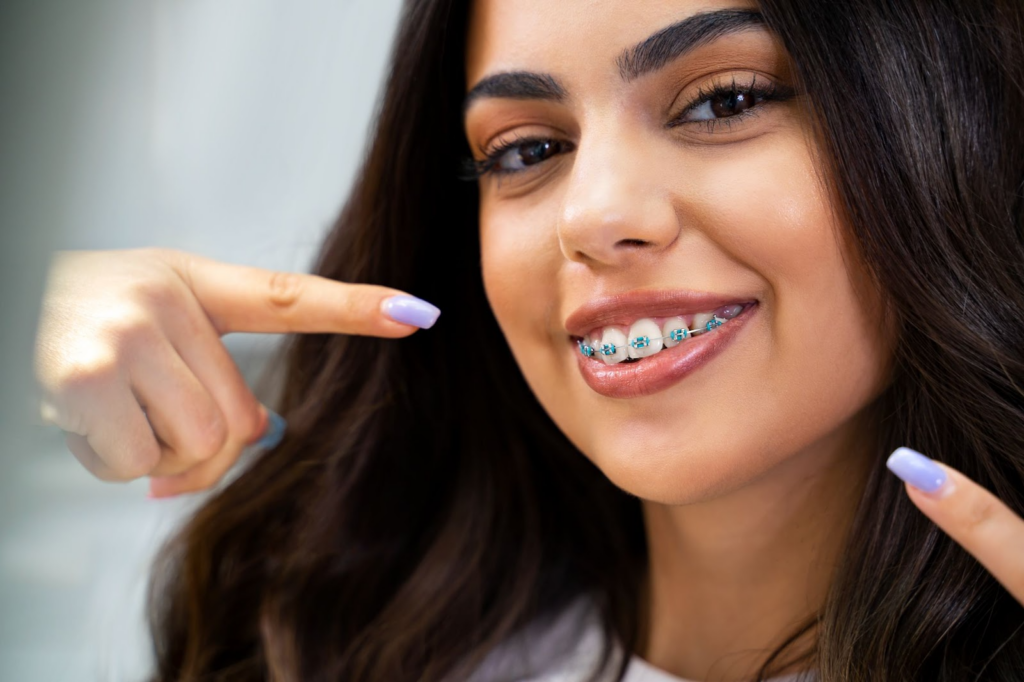
How Do Adult Braces Work?
Adult braces work by applying gentle, constant pressure that gradually moves teeth into proper alignment over 12 to 24 months. As teeth shift, the bone around them remodels to hold them in their new positions. Pretty remarkable, right?
Fixed braces (metal, ceramic, and lingual) use brackets bonded to your teeth connected by an archwire. The archwire’s pressure on the brackets creates a controlled force that guides your teeth into alignment. Your orthodontist adjusts this wire at regular appointments, usually every four to eight weeks, to keep things moving.
Clear aligners work differently. The customized trays apply constant pressure to your teeth, similar to braces, but you can take them out to eat, drink, or for special occasions. You switch to a new set of aligners every one to two weeks as your teeth progress.
For most adults, active treatment takes 12 to 24 months. Before anything starts, our orthodontists use digital scans and imaging to map out your personalized treatment plan. This digital planning helps predict results and often shortens treatment time.
After your braces come off, retention is essential. You’ll wear a retainer to keep your teeth from shifting back. Think of it as protecting your investment.
Benefits of Getting Braces as an Adult
Straighter teeth aren’t just about looks, they’re easier to clean, which means less plaque buildup and lower risk of cavities and gum disease. When your bite aligns properly, you chew more efficiently and put less stress on your jaw joints.
How Do Straight Teeth Improve Oral Health?
Some adults with crooked or crowded teeth experience uneven wear on their enamel. Tight or overlapping spaces can also trap food and plaque, making daily brushing and flossing less effective. Straightening those teeth opens up cleaner spaces and helps your gums stay healthier for years and even decades after treatment ends.
Can Braces Help With TMJ and Bite Issues?
Some adults deal with TMJ discomfort, jaw clicking, or headaches related to bite problems. Braces and aligners can address these issues at their source by aligning the upper and lower teeth so they meet evenly. When the bite balances out, the jaw joints often feel less strain during everyday chewing and talking.
Confidence matters too. A smile you’re proud of can change how you carry yourself in meetings, on dates, or just in everyday conversations. We hear the same thing again and again from patients who finally decided to start: they only wish they’d done it sooner.
The good news? Modern treatment options are more discreet and comfortable than what you might remember from middle school. Brackets are smaller. Wires are gentler. And clear aligners didn’t even exist a generation ago.
Here’s what you gain:
- Better oral hygiene with teeth that are easier to brush and floss
- Reduced risk of TMJ problems and uneven enamel wear
- A more confident smile for work and social situations
- Treatment options that fit your lifestyle and aesthetic preferences
- A lasting investment in your dental health for decades to come

How to Choose the Best Type of Braces for Adults
Choosing the best type of braces for adults usually comes down to four factors: how visible you want your treatment to be, what your budget allows, how complex your case is, and how your lifestyle fits with fixed appliances or removable trays. The right answer balances all four. Here’s how the main choices stack up.
What Are Metal Braces?
Metal braces remain the most versatile option. They handle everything from mild crowding to complex bite issues. Modern metal braces are smaller and more comfortable than older versions, and they’re typically the most affordable choice. They tend to be a strong fit for adults who prioritize effectiveness and value over aesthetics, or those with complex cases your orthodontist needs full control over.
How Do Clear (Ceramic) Braces Work?
Clear braces work the same way as metal braces, using brackets and wires, but with transparent or tooth-colored materials that blend with your smile. Clear braces deliver the same results as metal versions while staying nearly invisible at a glance. Adults who want fixed braces with a more discreet appearance often gravitate toward this option.
What Are Lingual Braces?
Lingual braces work similarly to regular braces but have a unique placement. They go on the backs of your teeth, so they’re completely hidden while you straighten your smile. Show your smile, hide your treatment.
Best for: Adults in public-facing roles who need fixed braces but want zero visibility.
How Are Self-Ligating Braces Different?
These use specialized brackets that hold the wire without elastic ties. That can mean fewer adjustments, easier cleaning, and potentially shorter appointments.
Best for: Adults who want the reliability of fixed braces with added convenience.
Are Invisalign Clear Aligners a Good Option?
Removable, clear aligners straighten teeth using a series of custom trays instead of brackets and wires. You can eat whatever you want since you can take your aligners out during meals. Flossing and cleaning hard-to-reach places stays simple too. Many people refer to them as invisible braces because of how subtle they appear in everyday conversation.
Best for: Adults with mild to moderate alignment issues who value flexibility and discretion.
How Do the Options Compare at a Glance?
| Type | Visibility | Comfort | Dietary Limits | Best For |
|---|---|---|---|---|
| Metal Braces | Most visible | Good | Yes | Complex cases, budget-conscious |
| Ceramic Braces | Low visibility | Good | Yes | Aesthetics + fixed treatment |
| Lingual Braces | Invisible | Moderate | Yes | Maximum discretion |
| Self-Ligating | Moderate | Very good | Yes | Fewer appointments |
| Invisalign | Nearly invisible | Excellent | None | Flexibility, mild-moderate cases |
When weighing the best type of braces for adults, our team will walk you through how each option performs against these four decision factors during your free consult.
How Much Do Adult Braces Cost?
Adult braces typically range from a few thousand dollars to several thousand, depending on the type you choose and your specific case. Metal braces tend to be the most affordable. Lingual braces and Invisalign often cost more due to customization and specialized techniques. A free consult is the best way to get an accurate estimate.
Several factors influence your final cost:
- Case complexity: More severe crowding or bite issues require longer treatment
- Treatment length: The longer you’re in treatment, the higher the cost
- Appliance type: Custom options like lingual braces or aligners typically cost more
- Where you live also plays a role, since fees vary by region and local market
Some dental insurance plans may cover a portion of adult orthodontics. FSA and HSA accounts can also help offset expenses. Most practices offer payment plans that spread the cost over your personalized treatment plan, making braces a manageable monthly expense for many households.
The only way to get an accurate estimate is through a free consult. Many practices offer these at no cost so you can review your options and pricing without any obligation. You can also learn more about payment options on our financing and insurance page.
Who Is a Good Candidate for Adult Braces?
Almost any adult with healthy teeth and gums can benefit from straightening. Age isn’t a barrier. Patients well into their 60s and beyond have achieved straighter smiles with modern treatment.
Good candidates typically have:
- Healthy gums without active periodontal disease
- Adequate bone density to support tooth movement
- Commitment to following the personalized treatment plan your orthodontist outlines
- A clear sense of what they want to change about their smile and an open conversation with our team about timeline
Lifestyle matters when choosing your braces type. If you travel frequently or have an unpredictable schedule, Invisalign’s flexibility might appeal to you. For someone worried about remembering to wear aligners 20 to 22 hours daily, fixed braces might be a better fit.
Invisalign works well for many adults, but it’s not ideal for every case. Severe bite issues or significant tooth rotation sometimes respond better to fixed braces. That’s something your orthodontist can assess during your free consult.
The most important factor? Your commitment. Adults who follow their orthodontist’s instructions, maintain excellent oral hygiene, and attend their scheduled appointments see the best results. At Byrne Orthodontics, Dr. Byrne and Dr. Pinckney can help you compare the options and choose the treatment that fits your needs.

Frequently Asked Questions About Adult Braces
Am I too old to get braces?
No. Healthy teeth can be moved at any age. According to the American Association of Orthodontists, adults of all ages are excellent candidates for treatment. The key factors are gum health and bone density, not your birth year.
How long do adults need to wear braces?
Most adult treatments take 12 to 24 months, though some cases finish sooner and others take longer. Your specific timeline depends on what needs to be corrected and which option you choose. The team will give you a realistic estimate at your free consult.
Are braces or Invisalign better for adults?
Neither is universally better. Invisalign suits mild-to-moderate cases and offers discretion and convenience, while fixed braces handle more complex issues without requiring the discipline of wearing aligners 22 hours daily. The best choice depends on your case and lifestyle.
Do adult braces hurt?
You’ll feel some pressure and mild soreness after adjustments or when switching to new aligners. This typically fades within a few days. Most adults describe it as manageable. Over-the-counter relief and soft foods help during adjustment periods.
Will braces affect my work or social life?
Today’s options are designed with adults in mind. Clear aligners are nearly invisible. Ceramic braces blend with your teeth. Lingual braces hide completely. Many adults find that coworkers and friends don’t even notice their treatment.
How do I choose the right type of braces for me?
Start with a free consult. Your orthodontist will evaluate your teeth, discuss your goals and lifestyle, and recommend options that fit. There’s no one-size-fits-all answer, which is why that personalized assessment matters so much for long-term satisfaction with your results.
Ready to compare adult braces, clear braces, lingual braces, and Invisalign? Schedule a free consult with Byrne Orthodontics at our Saratoga Springs or Greenwich office, or contact us with questions before your visit.